Autochrome
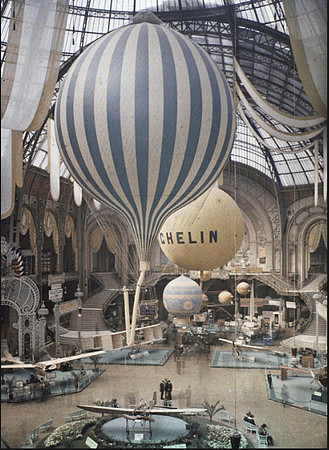
This picture of the first air show at the Grand Palais in Paris in 1909 is neither a lithograph nor a painting but a color photograph taken decades before the introduction of color film by Kodak and other companies in the 1930s. The Lumiere Brothers -- better known as pioneers of cinematography -- developed the first practical color photography process using a glass plate covered with a thin layer of potato starch granules dyed red, green and blue, which acted as a color filter. National Geographic printed its first natural-color photograph in 1914 using the autochrome process. Exposure times were long, whcih resulted in a softer focus. In combination with autochrome's muted color palate, this produced striking painterly effects. |
Archive
January
February
March
April
May
June
July
August
September
October
November
December
|

© Eric Rennie Photography